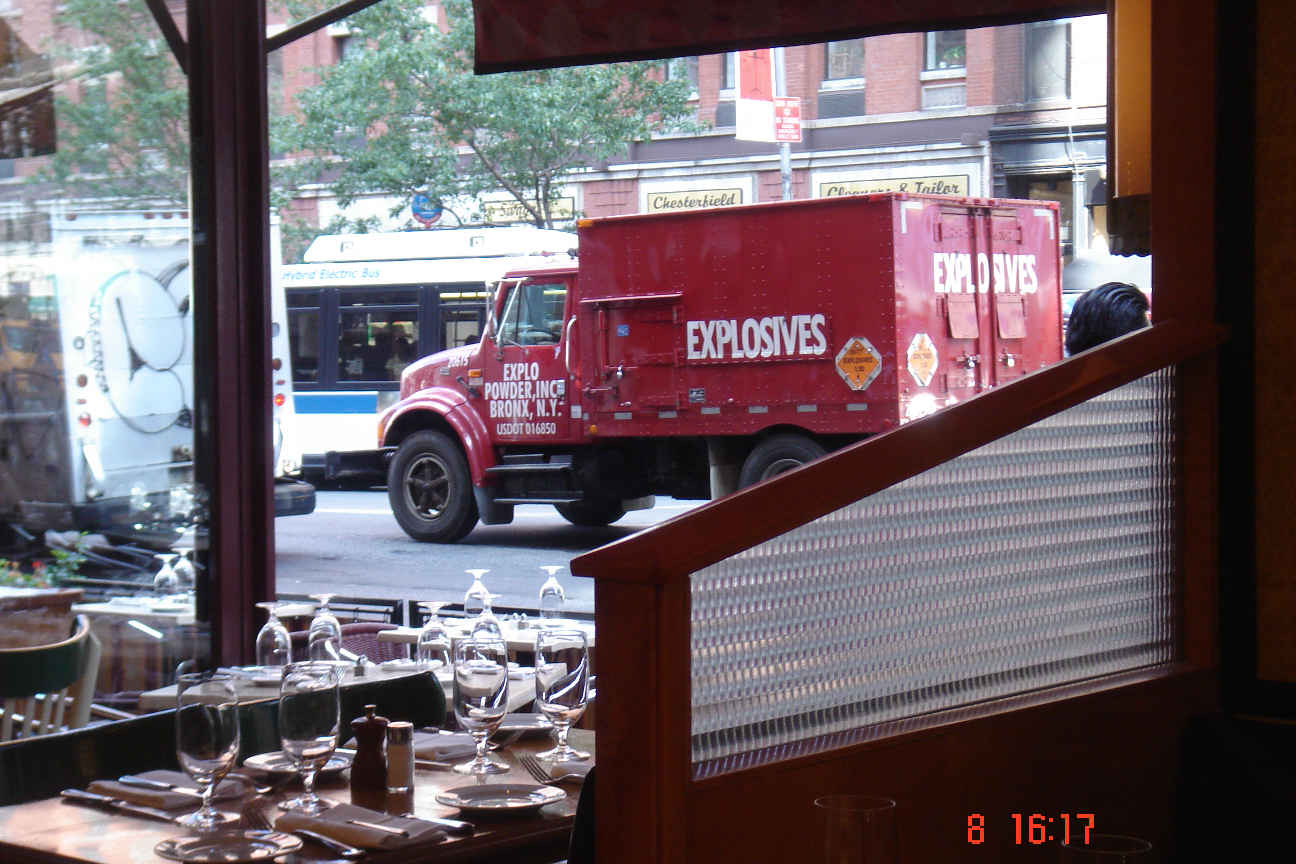
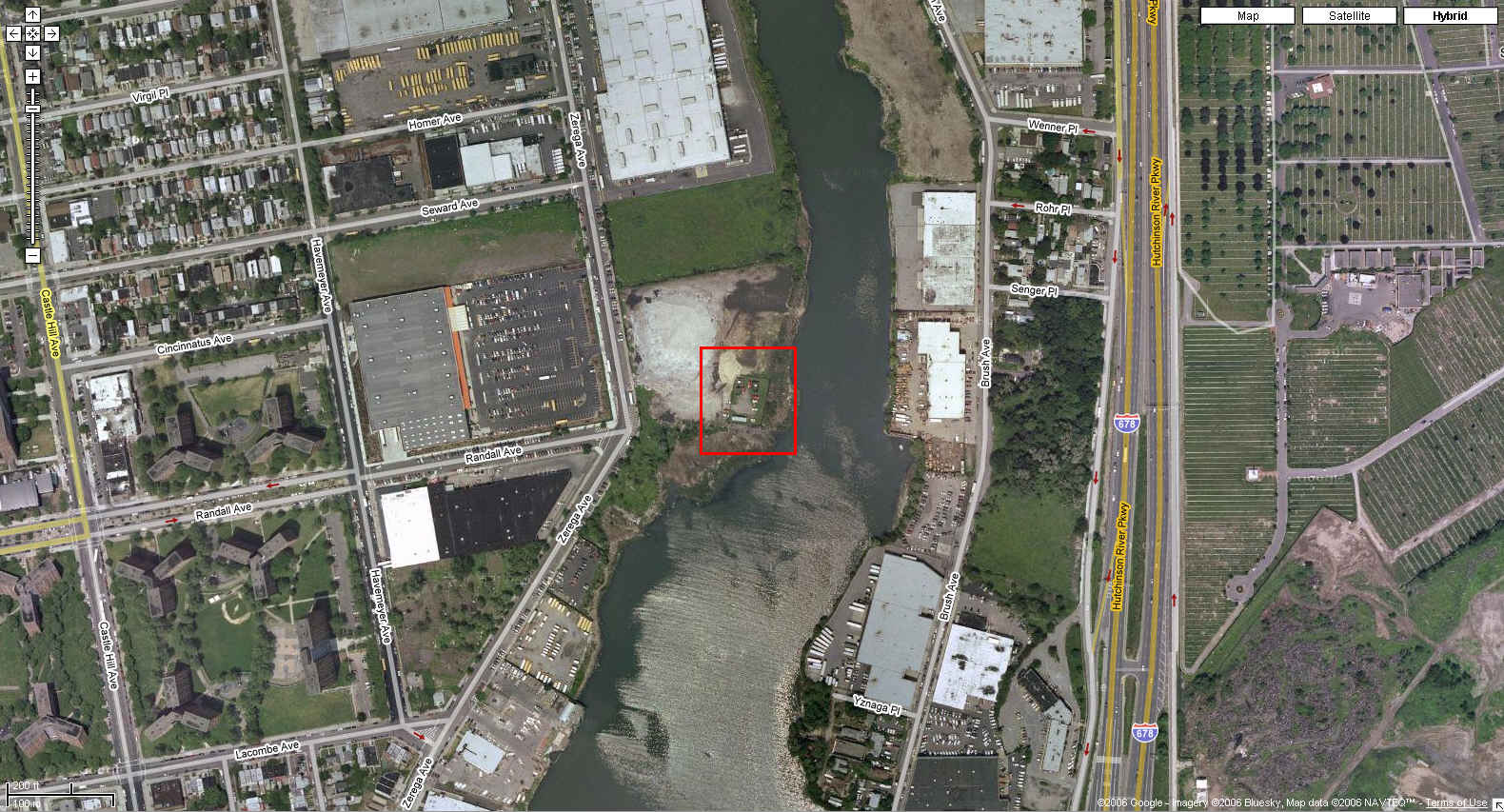
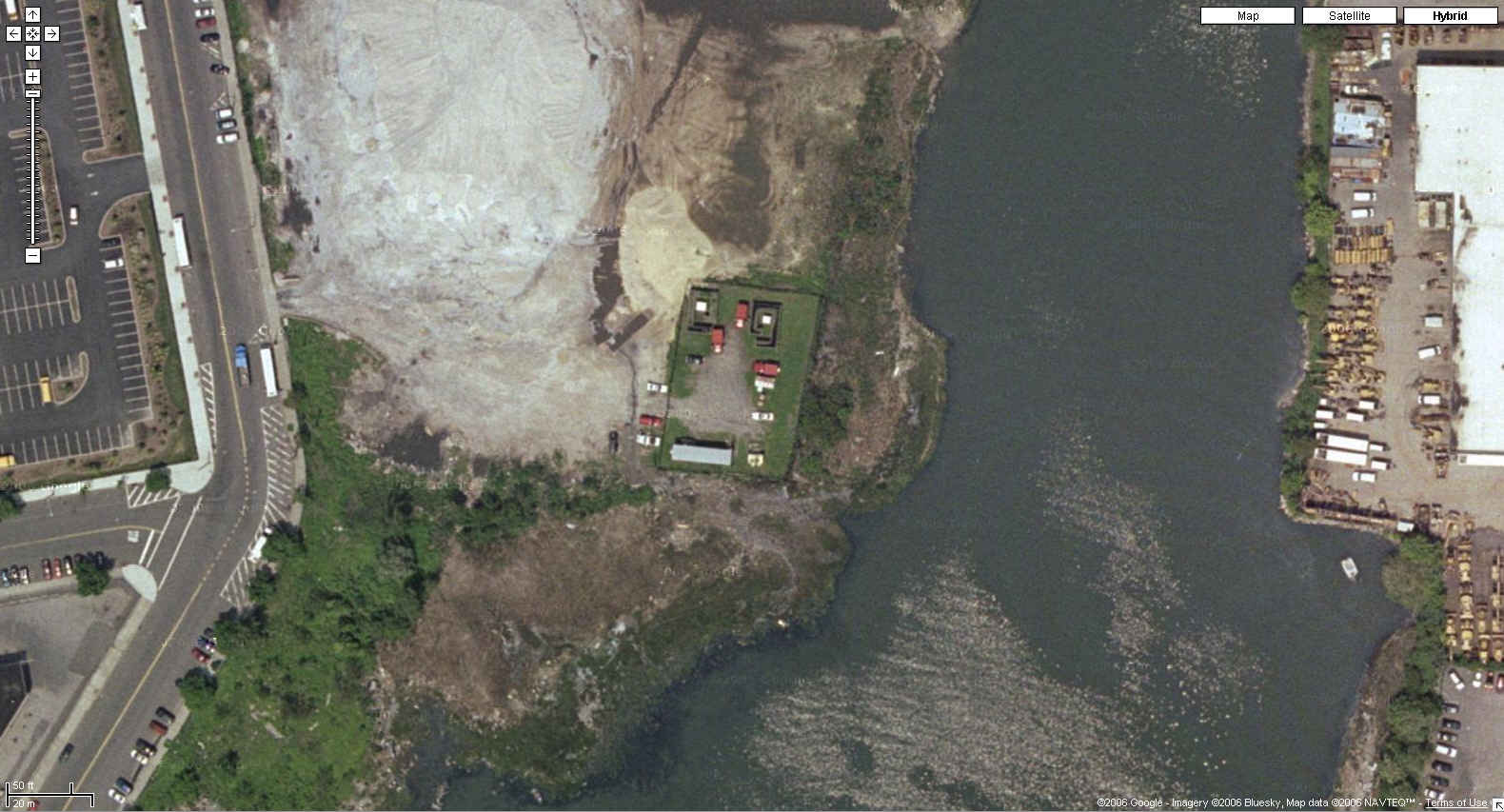
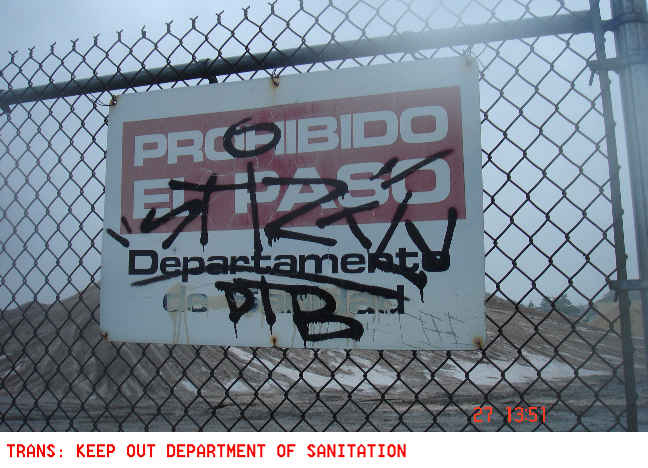
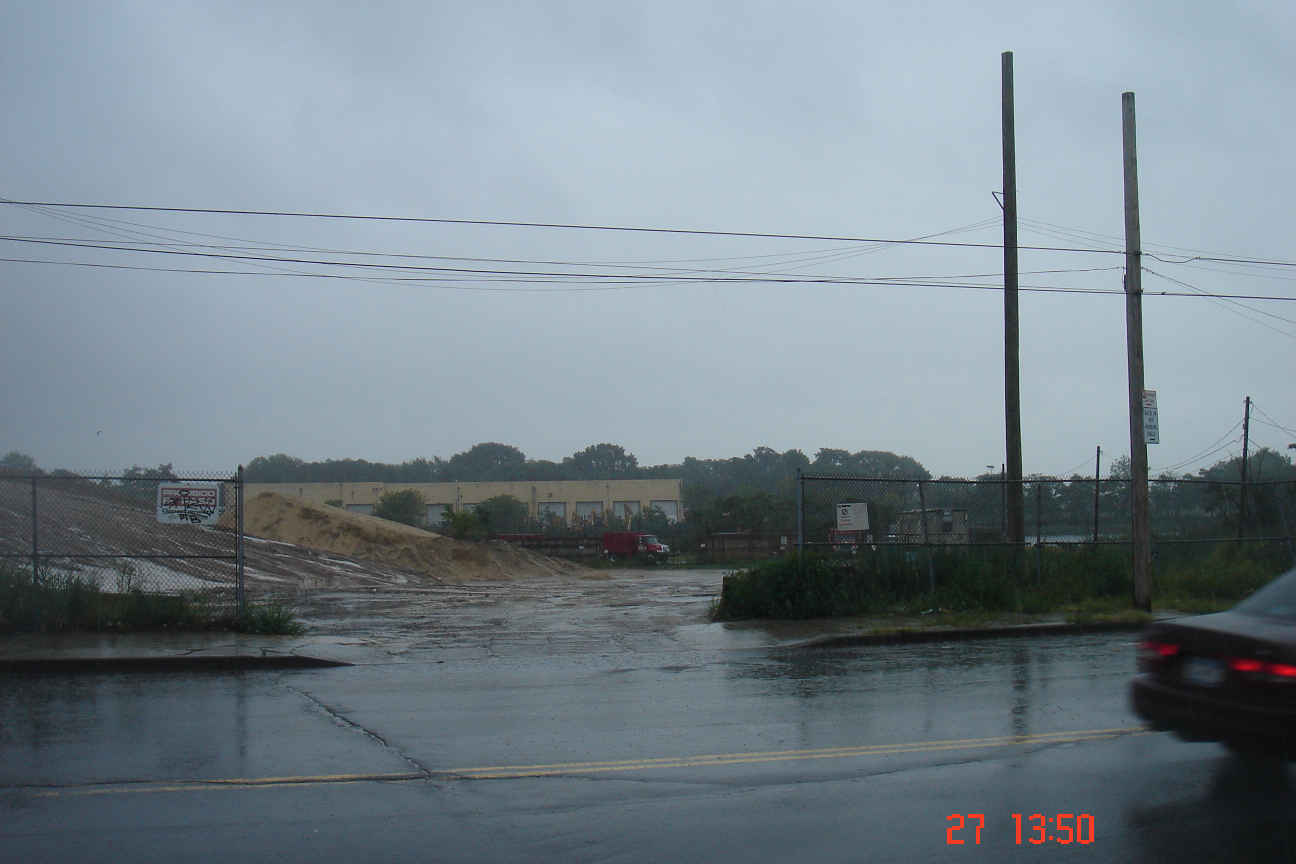
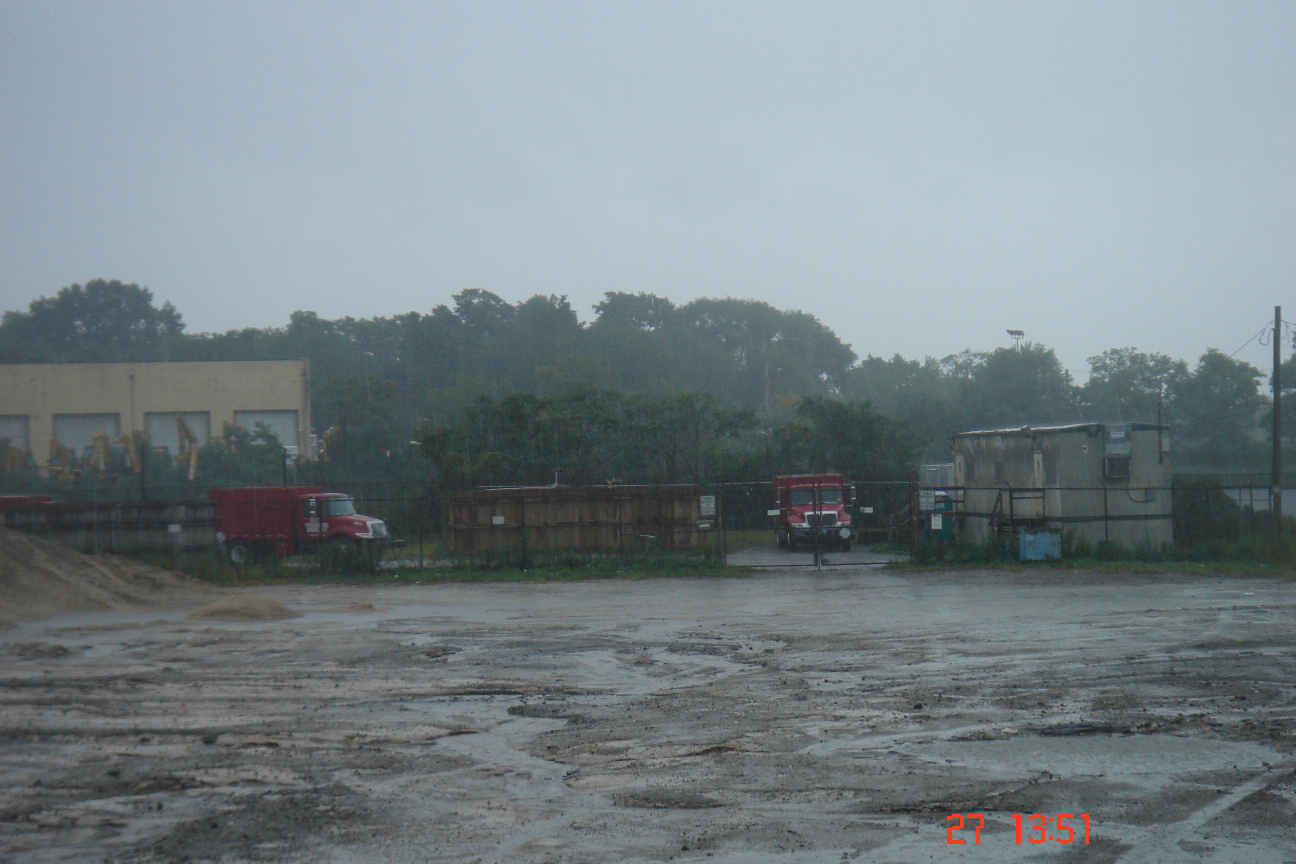
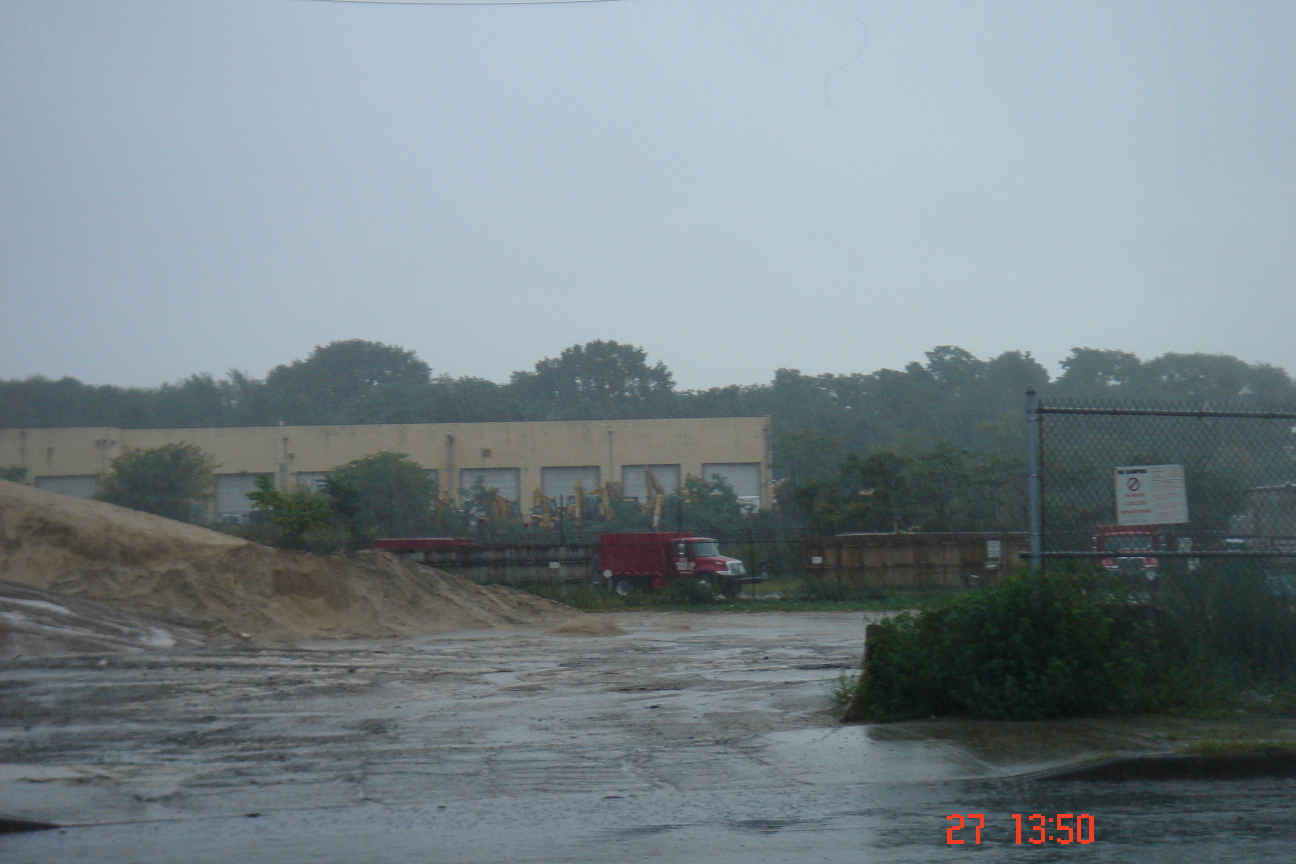
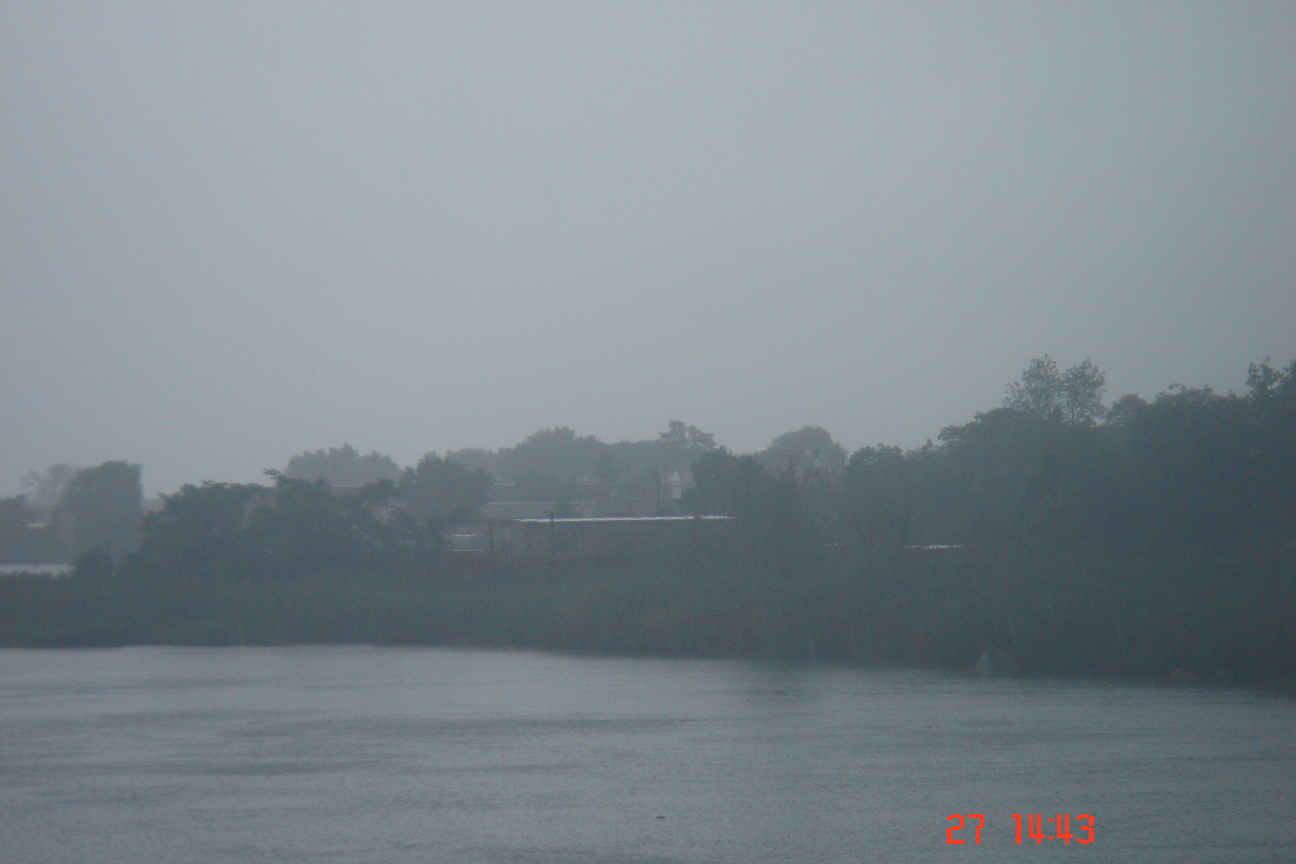
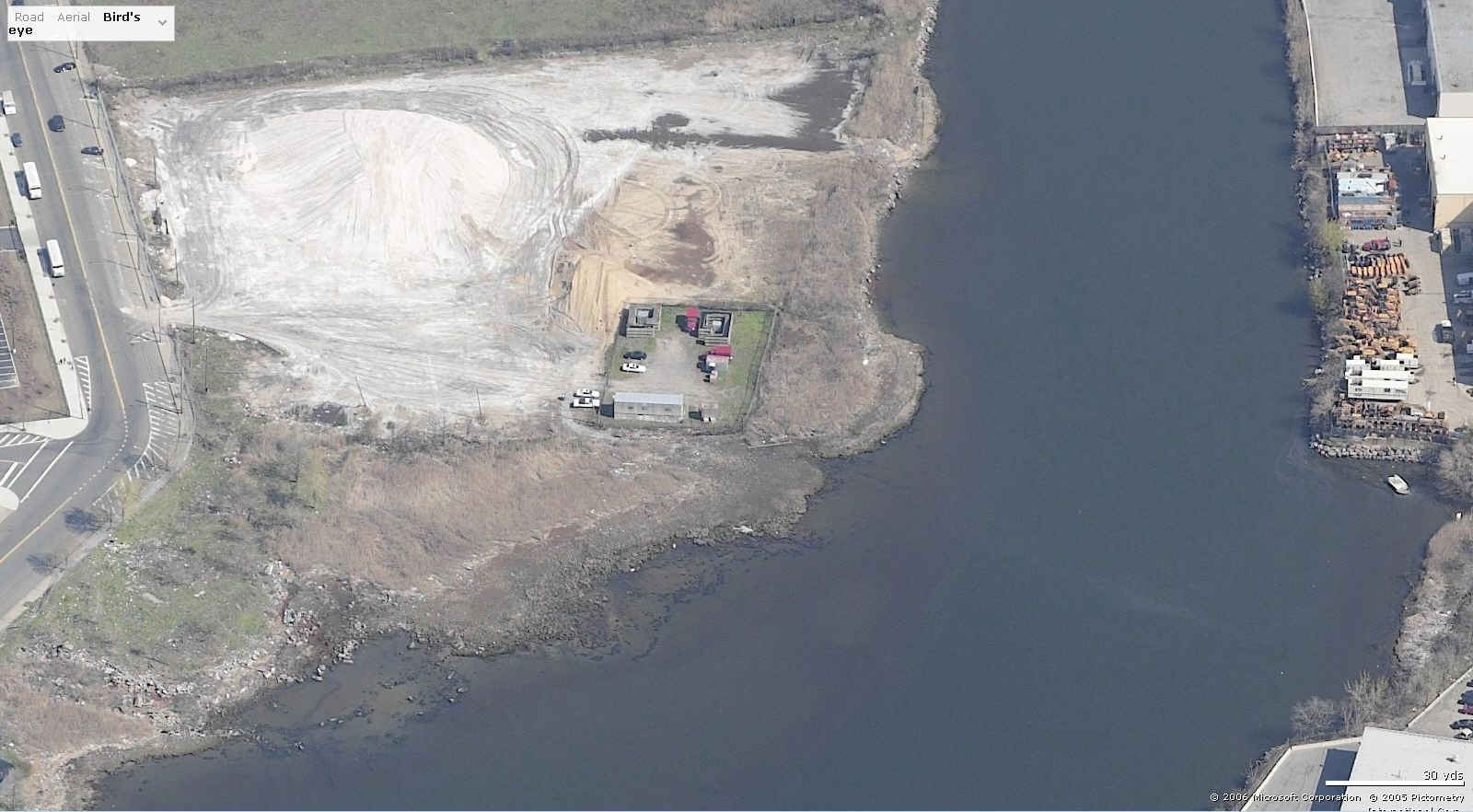
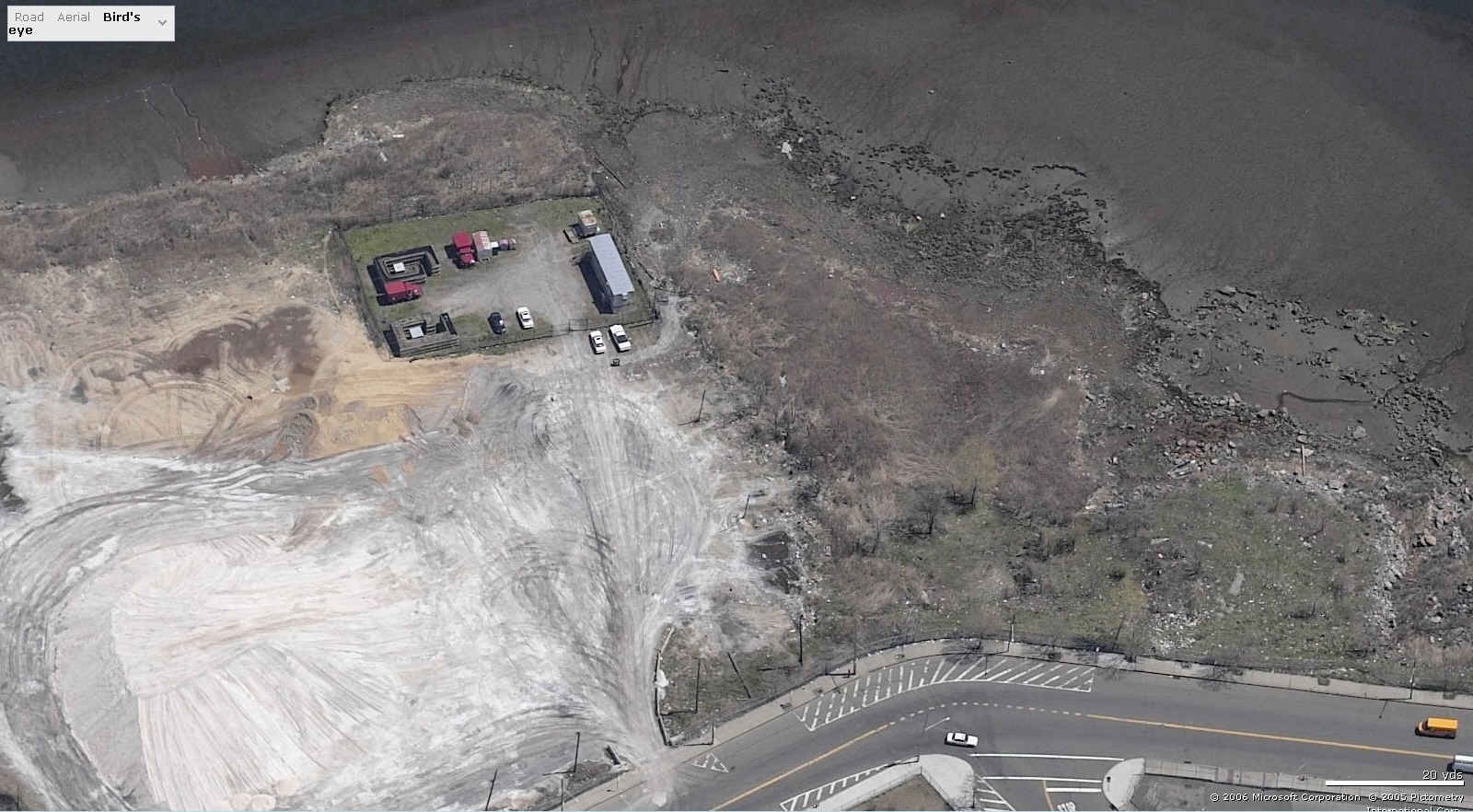
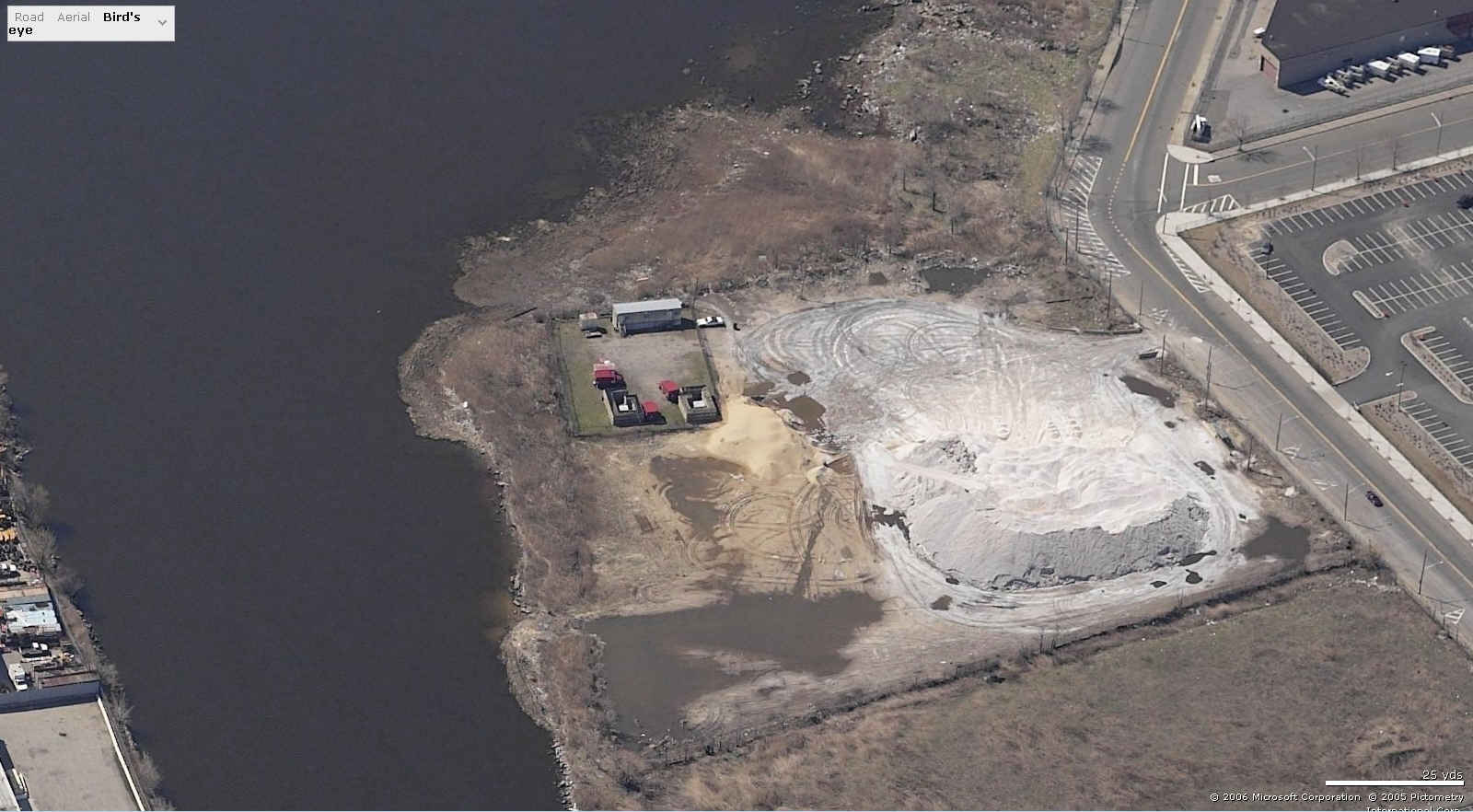
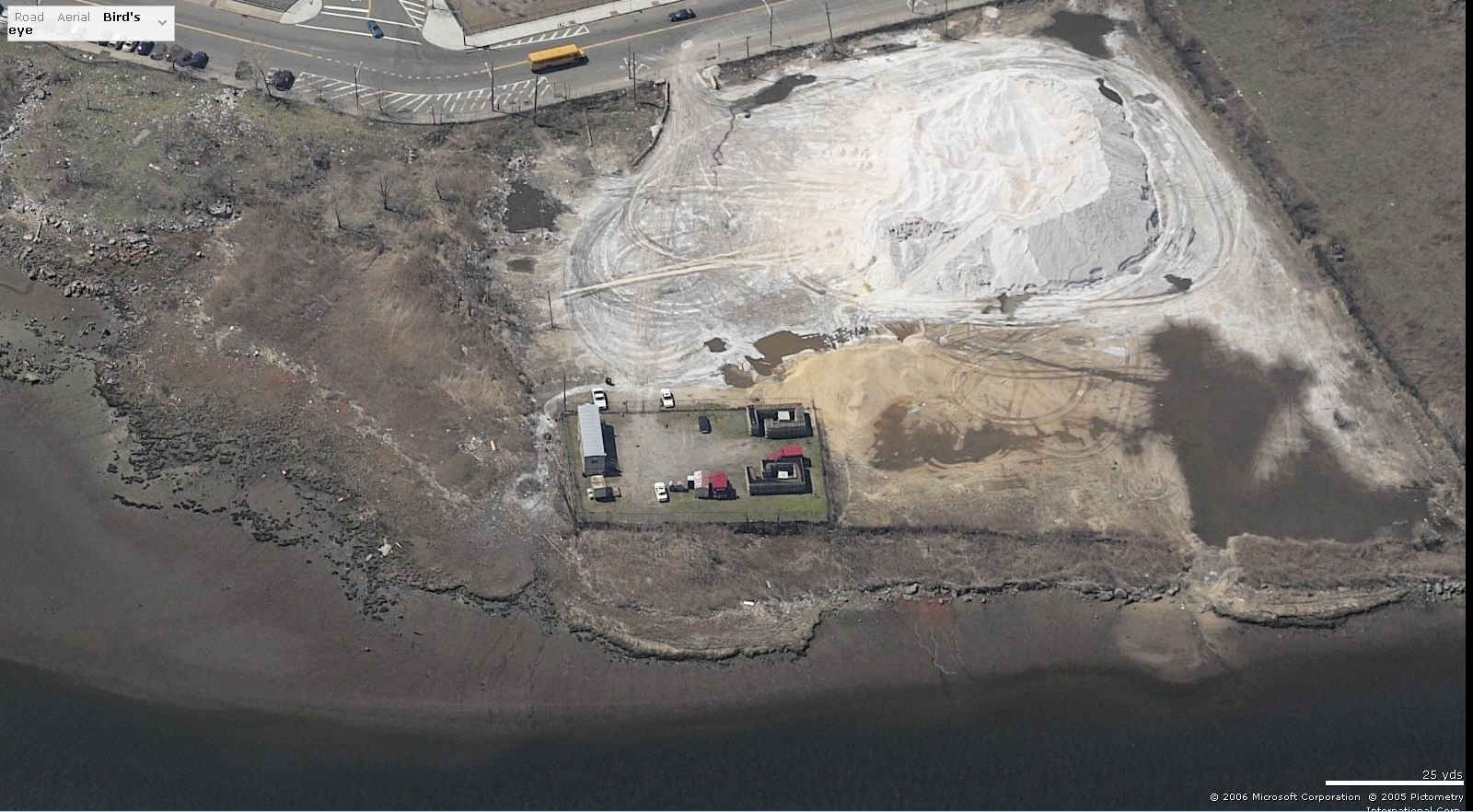
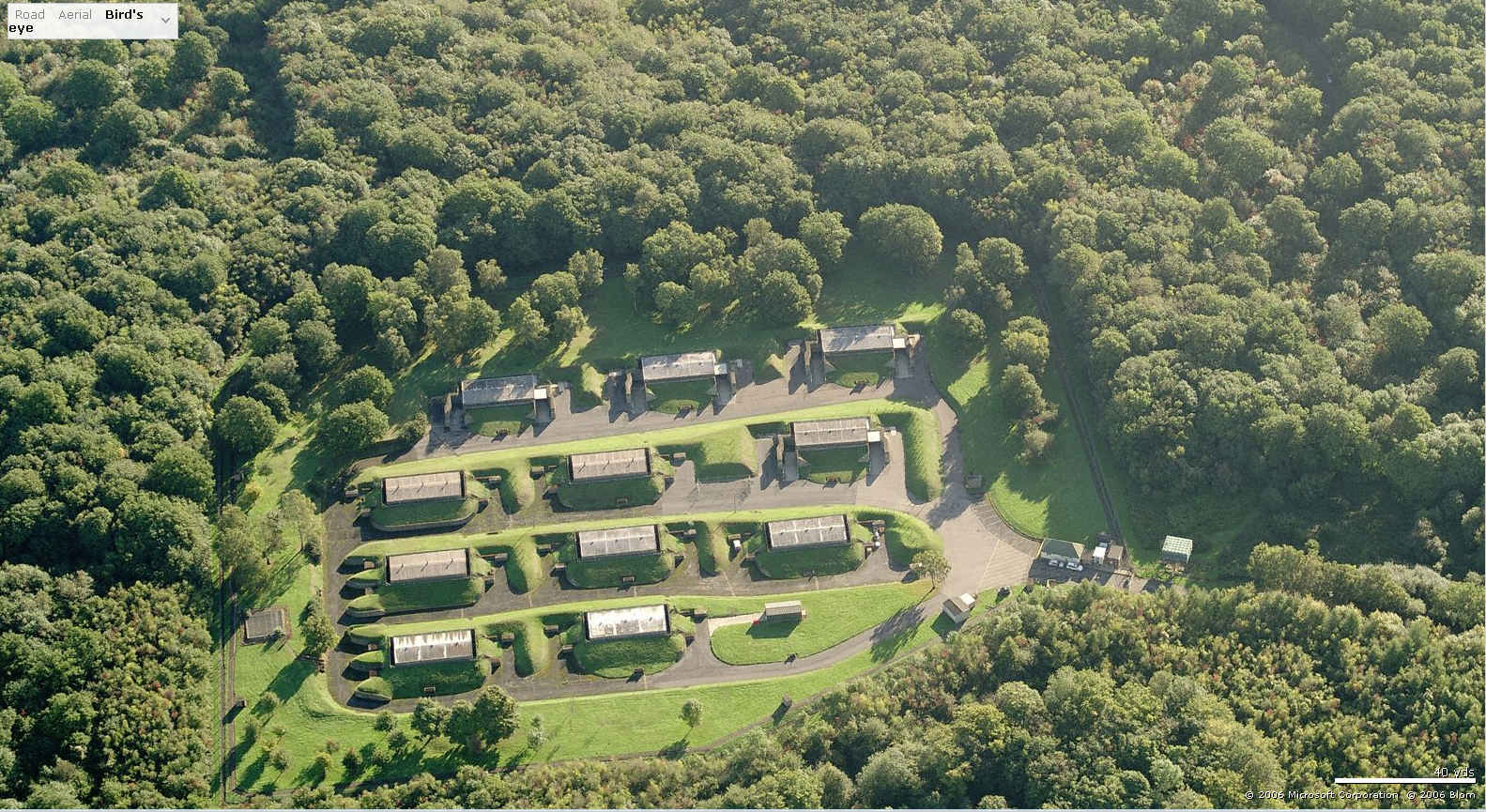
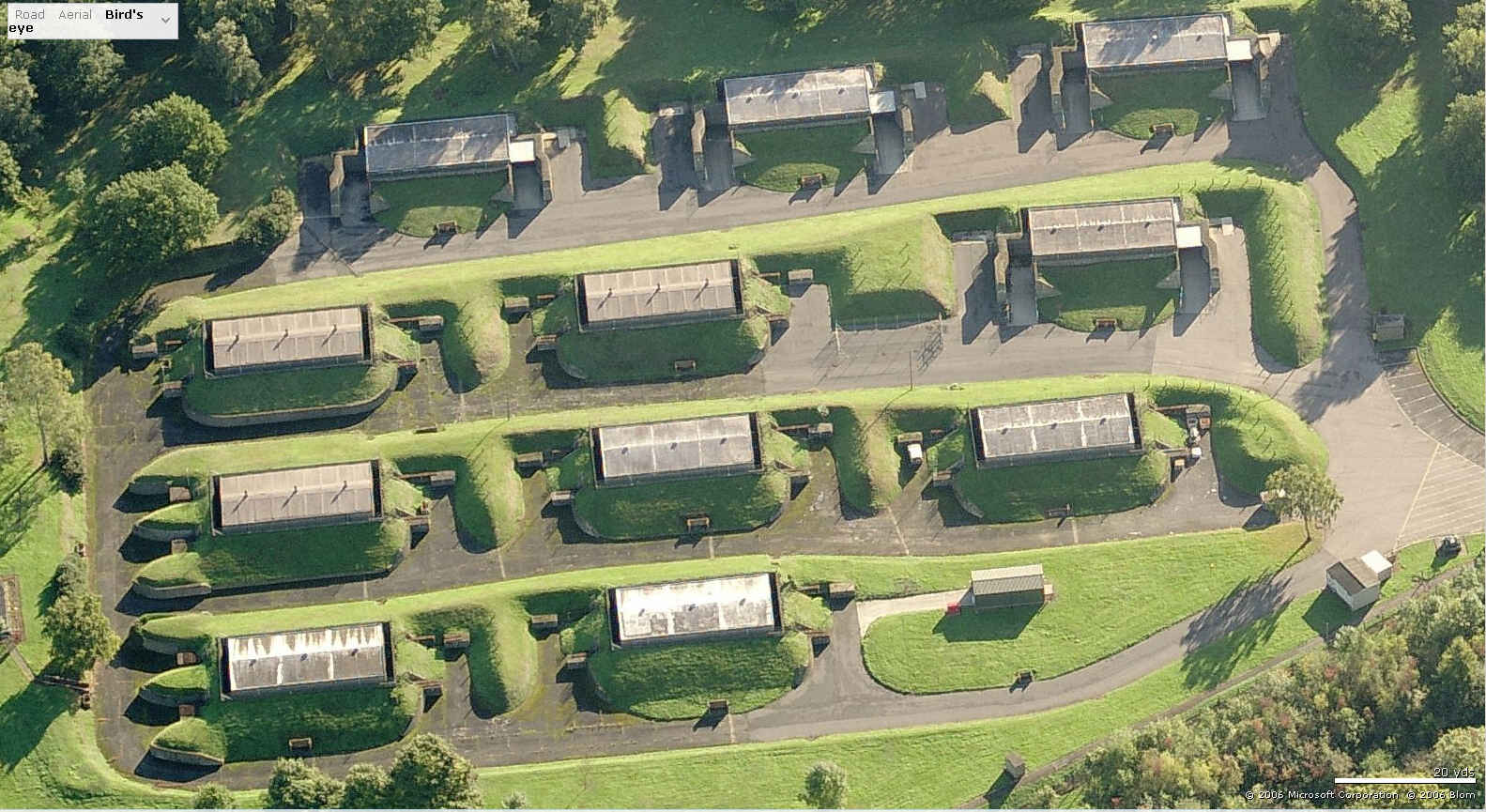
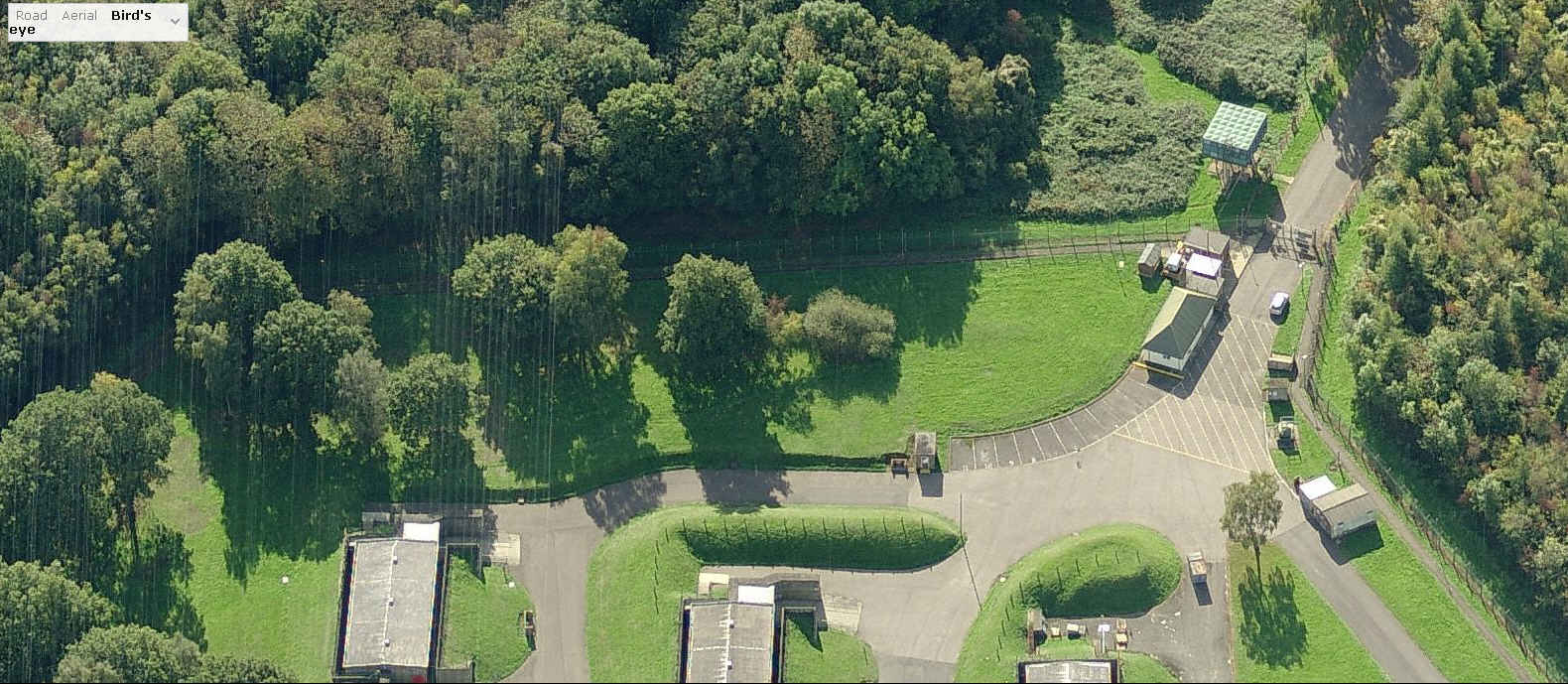
27 August 2006. Add ground level photos by Cryptome today which show that
there appears to have been no change in security of the site since the aerial
photos were taken.
STUDY MATERIAL FOR THE CERTIFICATE OF FITNESS EXAMINATION FOR STORAGE,
HANDLING AND USING EXPLOSIVES (BLASTER AND POWDER CARRIER) (E-10)
[Excerpts]
This study material will help you prepare for the written examination for
the Certificate of Fitness for the General Blaster/Demolition of
Buildings/Underwater Blasting. The study material includes information taken
from the Fire Prevention Code and the Fire Prevention Directives of the Bureau
of Fire Prevention, NYFD. The study material does not contain all of the
information you need to know in order to work safely when storing, handling,
or using explosives. It is your responsibility to become familiar with all
applicable rules and regulations of the City of New York, even if they are
not covered in this material.
The key to preventing explosives accidents is to follow proper blasting
procedures. Safe blasting practices must be followed at all times. Safe practices
are required from the moment explosives are delivered to the magazine to
the inspection that is made after the blast.
There are several kinds of persons who work with explosives. It is important
that each person know and understand what they are permitted to do. A person
working with explosives should never try to do something that they have not
been trained do. Every person who works with explosives must have a Certificate
of Fitness. A person should not do anything with explosives unless they have
a Certificate of Fitness for what they are doing.
The blaster is the most highly qualified person at the blasting site. The
blaster has total responsibility for the use of explosives and record keeping.
The blaster has responsibility for the safety of the public. The blaster
is responsible for all work with explosives. The blaster plans the blasting
work, supervises loading of the blast, and is responsible for setting off
the blast. Only the blaster may give permission to fire a blast.
The powder carrier is essentially an "apprentice" blaster. The powder carrier
helps to load holes with explosives. The powder carrier assists the blaster
in preparing primer cartridges and in wiring charges.
Explosives loaders help the blaster in tunnel and shaft work. The explosives
loader helps load the tunnel face to prepare for the blast.
Explosives handlers are the drivers of the trucks used to deliver explosives
and blasting caps to the blast site.
Explosives handlers are not permitted to do any other work with explosives.
The magazine keeper accepts delivery of explosives at the work site. The
magazine keeper keeps records of explosives as they are received and used.
The magazine keeper is responsible for the safe keeping of explosives in
the magazines.
Storage
All explosives and blasting caps must be stored in magazines specially made
for that purpose. A magazine must be approved and have a permit to store
explosives. Magazines must be under the direct supervision of a magazine
keeper holding a Certificate of Fitness. The only duties of the magazine
keeper are to guard the magazine and to maintain accurate records.
The magazines must be kept locked when they have explosives or blasting caps
in them. The magazines should be unlocked only when materials are delivered
to the magazine, or are removed for delivery to the blast site. Only the
magazine keeper, the blaster or the powder carrier may have access to the
keys to the storage magazines.
Accurate records of all explosive materials must be kept. These records are
required to meet the regulations of the Fire Department of New York City.
Separate records are required for blasting caps and sticks of dynamite. The
picture below [not provided] shows the form that is used for blasting caps.
The blasting cap record shows when blasting caps were received at the job
site. The record also shows who received the blasting caps and how many blasting
caps were delivered. The record shows when any blasting caps were taken from
the magazine to be used in a blast.
Blasting Cap Record
The picture on the next page [not provided] shows the record that is kept
for sticks of dynamite. The record keeps track of when explosives were received
and when they were taken out. This way all explosive materials are accounted
for at all times.
Dynamite Record
The blasting cap record and the dynamite record are kept in the magazine.
The records must be surrendered to a duly authorized Fire Department
representative when requested.
Only the amount of explosives that will be used for the next blast that is
being loaded should be removed from the magazine. Any explosives that are
not used for the blast must be returned to the magazine as soon as possible.
Explosives taken from the magazine should be carried only in their original
containers or special carrying boxes. The original containers or special
carrying boxes should be used to return unused explosives to the magazines
The magazines must be kept clean. Areas within 25 feet of the magazines must
be kept clean and free of all rubbish. Dead grass and shrubbery and other
obstructions must be removed. Empty cartons, packing materials and other
combustible materials pose a dangerous fire hazard. Smoking, open flames,
matches, lighters, etc. are prohibited inside or within 50 feet of a storage
magazine. Persons should not be permitted to loiter in the area near the
magazine.
The amount of explosives that may be kept in a magazine depends on the class
of the permit for the magazine. The permit must be kept in the magazine and
ready for inspection. The classes of magazines and the maximum amount of
explosives that may be stored are as follow.
First Class 1,000 pounds
Second Class 500 pounds
Third Class 250 pounds
Fourth Class 100 pounds
Fifth Class 25 pounds
Explosives and blasting caps may not be kept in the same magazine. Two separate
magazines are required. One magazine is used to store explosives. Another
magazine is used to store the blasting caps. The magazines for explosives
and blasting caps should be at least 100 feet apart. A special variance is
required if the magazines must be closer than 100 feet apart.
The Superintendent, the Blaster and the Magazine Keeper must inspect the
magazines at the end of each work day. They must also inspect the job area
and the carrying boxes. After the inspection they must sign the Blasting
Cap Record and the Dynamite Record. Any explosive materials that were not
used during the day must be returned to the vendor.
Whenever a magazine keeper is relieved by another magazine keeper, both should
inspect the magazine. They should check the explosives on hand and both sign
the Magazine Record Slip in each other's presence.
The Magazine Record Slip should be kept in the magazine. The Magazine Record
Slip should be given upon request only to an authorized representative of
the Fire Department. The condition of the magazines are inspected regularly
by representatives from the Fire Department. These inspections are also recorded
on the Magazine Record Slip. The illustration on the next page [not provided]
shows the Magazine Record Slip.
Transportation
Only specially designed vehicles may be used to transport explosives. All
vehicles used to transport explosives in New York City must have a permit.
Two persons holding Certificates of Fitness as explosives handlers must be
on each vehicle transporting explosives. This is in case one person is injured,
becomes ill, etc. The explosive handlers are responsible for seeing that
the vehicle is in safe operating condition. They must also check that proper
fire extinguishing equipment and flags are in place. Smoking while transporting
explosives is strictly prohibited. Matches, lighters or metal tools are also
not permitted on any vehicle transporting explosives.
Blasting caps and explosives may not be carried together on the same truck.
If a job site needs to have both blasting caps and explosives delivered two
trucks must be used. If two trucks cannot be used the truck must make two
trips. Explosives may be delivered only to an approved and permitted site.
Only three deliveries may be made to the same site in one day. The amount
of one delivery to a site cannot be more than what is permitted by the class
of the magazine. For example, a site with a Fourth Class permit cannot receive
more than 100 pounds of explosives in one delivery.
The total amount of explosives that can be delivered to a job site in one
day depends on the class of permit. The total amount that is delivered cannot
be more than three times the amount permitted for that site. For example,
a site with a permit for a Third Class magazine may not receive a total of
more than 750 pounds of explosives in one day.
A vehicle carrying explosives cannot have more than 1,000 pounds of explosives
at one time. No more than 5,000 electric fuses or blasting caps can be carried
at one time. A special permit is required if larger amounts must be transported.
Vehicles used to carry explosives may not be used to carry equipment or other
supplies. Only the explosives handlers may ride on the truck. Other persons
are not permitted on the vehicle.
Also, some 16 federal, state and municipal licenses and regulations governing
explosives in NYC:
Yes, the Explo site is a staging facility. I was surprised at finding an
insecure staging area in the city for there are stiff regulations for highest
hazard functions, even more so after 9/11.
The aerial photos are a few years old and the site may have beefed up security,
but more likely "security is by obscurity," for few persons know the facility
is there. Although it would be easy to find it by following a delivery vehicle,
which is what piqued my interest when I saw the truck in my neighborhood
and took a photo.
Out west there is more attention given to protecting explosives, and most
thefts occur at out-of-the-way locations at staging and construction areas,
not manufacturing plants. And a means to find those lesser-protected sites
is to follow explosives-handling vehicles. In many cases now there are fake
convoys and other subterfuges to hide explosives carriers, and some move
only at night, adopting procedures long used for transporting munitions.
And staging sites are guarded 24x7, or more commonly after 9/11, explosives
are removed at the end of the day and returned to protected storage.
To see in NYC a bright red and blatantly identified pointer to an insecure
site is curiously head in the sand. Could be the whole operation is a fake
to divert attention from the real hazard, location unknown, perhaps camouflaged
as a hospital or school for toddlers -- war-grade deception.
I'll visit to check current conditions. If the site remains as shown in the
photos it is likely in violation of law, but that is not uncommon in industry
and commerce.
The comparison with Badger's Mount may appear overkill, but it was intended
as exemplar of what might be done to counter the industrial aesthetic and
regulatory separation of hazard (by zoning) from the populace.
I had recently come upon ammo dump wandering around England with Local Live
and was impressed with British thoroughness, engineering and meticulous gardening
of a high hazard site located within a residential area. It provided a handsome
example of how a high hazard site can be inserted into a bucolic environment
in contrast to the gritty sites in the US and NYC which obscure explosives
and armaments, not to say bountiful other domestic threats posed by
unarrested terrorists.
Distributor of explosives, filter cloth.
Employees: 10-49
Year Company Founded: 1992
Brand Names: DuPont